
Staying on Track Under Pressure: Why Athletes Panic at Big Events (and How to Stop It)
Big events have a funny way of exposing cracks.
World Cups. Championships. Selection trials. Olympic qualifiers.
The stage gets bigger. The spotlight gets brighter. And suddenly, athletes who know they can perform… panic.
When pressure hits, the real question isn’t “Can you perform?”
It’s “Can you stay on track?”
Performance Is Built on Tracks, Not Moments
Every skill you learn.
Every routine you repeat.
Every process you refine.
Think of them as railway tracks.
The straighter, stronger, and more consistent those tracks are, the more reliable your performance becomes – especially when pressure arrives.
This is why I often say:
The quality of your preparation dictates the quality of your performance.
When athletes struggle at major events, it’s rarely because they don’t know what to do.
It’s because pressure interferes with their trust in how they do it.
When Pressure Feels Like Snow on the Tracks
Imagine those tracks are suddenly covered in snow.
You know the t...
Navigating Pressure Like a Professional Athlete
Understanding the Drive
At the core essence of competitive athletes lies the constant pursuit of excellence. Whether you're a seasoned pro or just starting your athletic journey, there's a unique pressure that athletes impose on themselves to excel in various scenarios. This pressure can come from within or external sources, such as fans, coaches, or even the sheer desire to prove oneself.
The Nature of Pressure
Pressure situations can vary greatly in sports. They range from high-stakes competitions, nerve-wracking selections, and make-or-break tournaments to the challenge of mastering new skills.
One crucial aspect to acknowledge is that performing under pressure is highly individualistic. There is no one-size-fits-all solution to handling pressure, as each athlete brings their unique set of experiences, strengths, and weaknesses to the table.
Three Essential Ingredients for Pressure Mastery
1. Process – Our Blueprints:
One of the essential ingredients for mastering press...
Performance Anxiety in Athletes: Why It Happens and How to Manage It
Cracking the Code of Pre-Competition Nerves
The brain of the anxious athlete – it's a feeling that's all too familiar to anyone chasing success.
And that is precisely where the role of mental conditioning can be brought in to help athletes develop the tools they need to combat feelings of anxiousness.
In this video we explore:
- Why those pre-competition nerves are not just normal, but a sign that what you're about to do is important to you – nervousness isn't a sign of incapability; it's a testament to your dedication towards your objectives.
- What the dance party of dopamine, cortisol, and serotonin is doing in your brain and the part they play in shaping your anxiety and performance.
- How our brain's incredible power of imagination can conjure up fears, magnify doubts, but also pave the way for innovative solutions and success beyond imagination.
- How do athletes deal with anxiety? What we can do right now to manage the balance between our body’s natural chemicals and ...
Beyond Talent: How Elite Athletes Design Their Success Into High-Performing Athletes
Understanding the Journey of High-Performing Athletes
High performance can be tough; it demands consistency and dedication. Let's consider an athlete's journey: from amateur to competitive, to elite, and finally, to high performance. It's a rigorous process that requires intense commitment.
A study in the late 80s examined the top 1% of high performing athletes worldwide, across various sports. While some were indeed gifted, a significant majority achieved success through something else.
Genetics played a small role, and financial resources also had a limited impact.
But the real game-changer was one singular thing.
What they found was all high performing athletes had one thing in common: mindset.
They built personalised programs, catered specifically to their strengths, skills, and determination. They didn't try to emulate others; instead, they optimised their own potential. They stuck to their tailored programs tenaciously, fine-tuning aspects when necessary.
High pe...
Why Modern Athletes Struggle Under Pressure: The Hidden Cost of Instant Gratification
Many competitive athletes today aren’t failing because they lack talent, fitness, or opportunity.
They’re struggling because modern habits are activating an ancient mindset – one that prioritises instant gratification over process, and short-term reward over long-term performance.
This mindset is quietly undermining confidence, consistency, and the ability to perform under pressure.
The Ancient Brain Still Runs Performance
Human beings are pattern-followers. We repeat behaviours, even when they no longer serve us.
Thousands of years ago, instant gratification was a survival advantage. If you were hungry, you ate. If you were tired, you slept. If you wanted pleasure, you took it. There was little certainty of tomorrow, so living in the moment made sense.
That instinct still exists today.
It lives in the limbic system – the part of the brain responsible for survival responses, emotion, dopamine release, and fight-flight-freeze reactions.
The problem?
High-performance...
Nathan Jay, Professional Ironman, on his Mental Performance Training
Embracing the Uncomfortable as the Path to Performance Empowerment
In an interview with professional IronMan, Nathan Jay, we revisited our first season together. From grappling with consistency to finding mental resilience, our discussion dived deep into the mental performance strategies Nathan embraced this season, which transformed his approach to his sport.
We covered:
- The importance of finding consistency in your performance to fuel motivation.
- What’s on the other side when you break through resistance, it can be uncomfortable but empowering.
- By transferring the knowledge acquired from mental drills in training, Nathan learned to trust his competition process.
And the most significant lesson Nathan learned from mental performance training which revolutionised his approach to competition season, and also to his daily life.
Interview Transcript:
Dave: Thanks very much for agreeing to spend some time with me today and just talk about the journey that you've been on ...
Holly Harris, Elite Skater, On Her Mental Performance Strategies And Forging A Lasting Career In Sport
You can have a long career in sport with the right mindset and when you put the right people around you.
Holly Harris, elite skater and long-time client, recently returned to Australia for a brief visit. So I took the opportunity to have a conversation with her about travelling the world, training and competing in her sport.
Holly, a champion skater in multiple disciplines, has encountered various obstacles along her path, but what stands out is her ability to not only overcome those challenges but also leverage them as valuable skillsets to propel her career forward.
In our discussion, we delve into Holly's insightful experiences and discuss the strategies she has employed to navigate injury and setbacks, ultimately transforming them into unique skillsets that have enhanced her professional trajectory.
Join us as we share valuable tips that can potentially aid you in your own sporting career.
The Beginning: Resistance and Hair Clips
Holly's initial reaction to working wit...
Jay Furniss, Professional Ironman, on the Difference Mental Performance Training Has on Him
Jay Furniss, professional IronMan athlete, and I sat down for a chat as we wrapped up our first season working together. In this interview, Jay shares his journey, from struggling with consistency to finding mental strength. We delved into the mental performance strategies Jay adopted this season that changed the game for him, including:
- The importance of believing in yourself and stepping out of your comfort zone
- How collaboration in using these strategies with his other coaches and support crew can lead to remarkable progress.
- Through exercises like visualisation and journaling, Jay gained trust in the process.
Jay also encourages young athletes to tap into mental training early for consistent results.
Interview Transcript:
Dave: So, first of all, thanks very much for agreeing to have a bit of a chat with me. It's the end of our first season of working together, so what I wanted to do was give other athletes a little bit of a perspective on your journey, how you e...
Is There A Difference In Being Part Of A Team, Or Being An Individual Athlete?
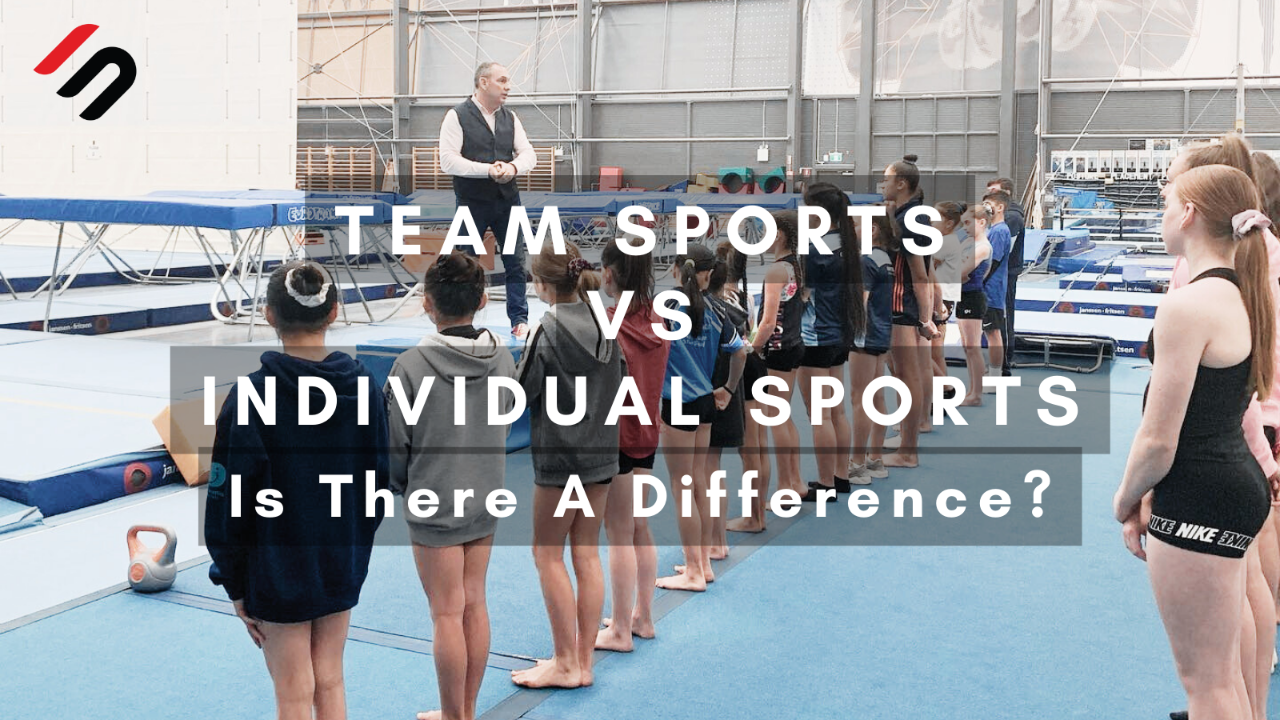
Yes and No.
The reason I say yes and no is because the ethos I have as a mental performance coach, and has worked really well for athletes and coaches and teams over the years, is:
The best version of you, everybody benefits from.
If you're an individual athlete and you're thinking, ‘I’m not part of a team.’ You probably are. You just may not realise it at this stage, or you may not necessarily be there at this stage. You might be what I call a ‘tipping point’ athlete, you're just not in the team yet, or you're not in the representational part of your career yet, where understanding team dynamics is front of thought.
At some point, if you want to represent your country, you will be working within a team.
Even if you're representing your club, or your region as a team member, the fact that you're not doing it alone – you've got a coach, you've probably got peers you train with, an entourage around you of physios, S&Cs, chiropractors, mental performance specialists – YOU are part of...
Emma Nedov, Athlete, Entrepreneur and Health Coach interviews Dave Diggle
I recently sat down for a lively conversation with Emma Nedov - athlete, entrepreneur and health coach. Emma is the host of a new video podcast which explores how you can use sport to succeed in your life.
We discussed a lot of great topics, including:
🤸 The most common pattern that athletes are doing which is holding them back from performing under pressure, and makes them frustrated
🤸 The biggest mistakes coaches are making on competition day, and the instant mindset shift that will fix that
🤸 How to change just one simple thing to improve your physical performance
